Living in a place with harsh winters, I've become somewhat of a beanie connoisseur. There's nothing worse than a hat that doesn't keep you warm, especially when the wind is howling. So, I embarked on a quest to find the absolute best yarn for creating a super warm beanie. After lots of experimenting and research, I'm excited to share my findings!
My initial struggle was figuring out what type of yarn offered the best combination of warmth, durability, and comfort. I wanted a beanie that would stand up to daily wear and tear, keep my head toasty in sub-zero temperatures, and not be itchy or uncomfortable. I started by looking at different types of wool, but quickly realized there were so many options to choose from.
One thing I learned early on is the importance of considering the end use of the beanie. For example, if you're working as a lineman, you need to be extra careful about the materials you use. Synthetic fibers can melt onto the skin in electrical or fire hazard situations, so natural fibers are a must.
After a lot of trial and error, I discovered that layering is key to creating a truly warm beanie. I started experimenting with two-layer designs. The idea is to have a super-warm inner layer and a more durable outer layer. This allows you to maximize warmth without sacrificing the beanie's lifespan.
For the inner layer, I found that alpaca, angora, and yak fibers are excellent choices. They are incredibly soft and provide exceptional warmth. Alpaca, in particular, is wonderfully fuzzy and feels amazing against the skin. However, these fibers can be a bit delicate on their own.
For the outer layer, I recommend using a sturdier wool or a natural fiber blend. This layer will take the brunt of the wear and tear, so it needs to be more resilient. Look for wools that are known for their durability, or blends that incorporate other strong natural fibers.
I also discovered that a tightly knit 100% wool beanie can be surprisingly windproof. Alternatively, a wool-alpaca blend is a fantastic option, as the wool adds elasticity to the very warm alpaca. Don't underestimate the power of colorwork either! Adding colorwork creates an extra layer of yarn that traps air, making the beanie even warmer. My fingering weight fair isle caps are proof of that!
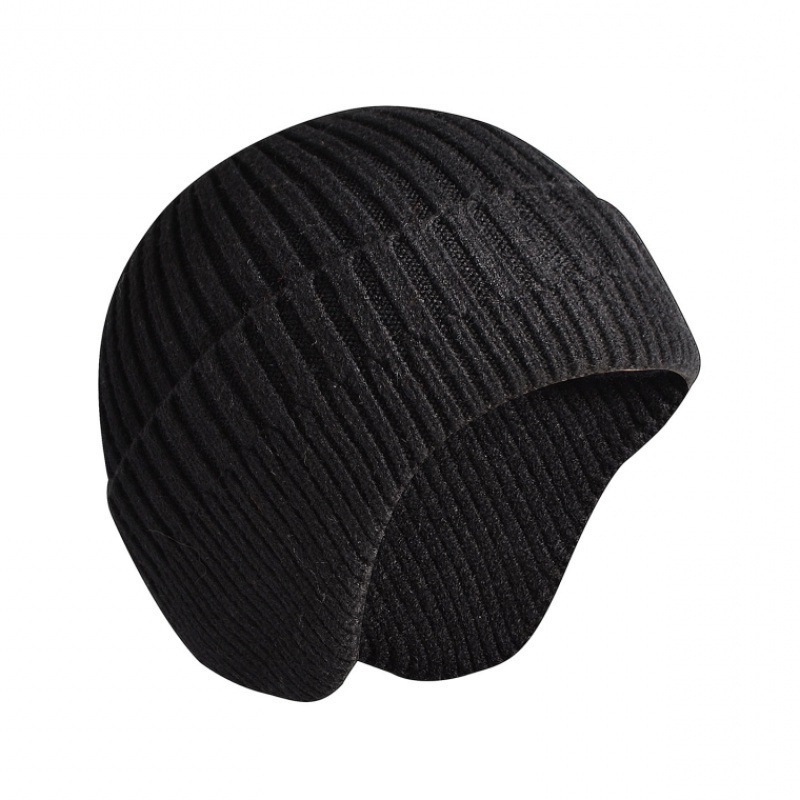
Speaking of warm hats, I recently purchased a Beanie Hat Men Women Autumn Winter Solid Colour Wool Cap Ear Protection Head Caps Outdoor Warm Hats Windproof Knitted Cap hat1 from WholeCustomDesign, and I've been really impressed. It's a simple, solid-color design, but the wool is incredibly warm and comfortable. I was looking for something that would protect my ears from the wind, and this hat does the job perfectly. It feels well-made and is exactly what I needed for the cold weather. The wool cap provides excellent ear protection and head warmth.
Here's a breakdown of my top tips for choosing the best yarn for a super warm beanie: